
02/28/2022
New UPLC-MS/MS bioanalytical method for quantification of Glycopyrronium and Indacaterol
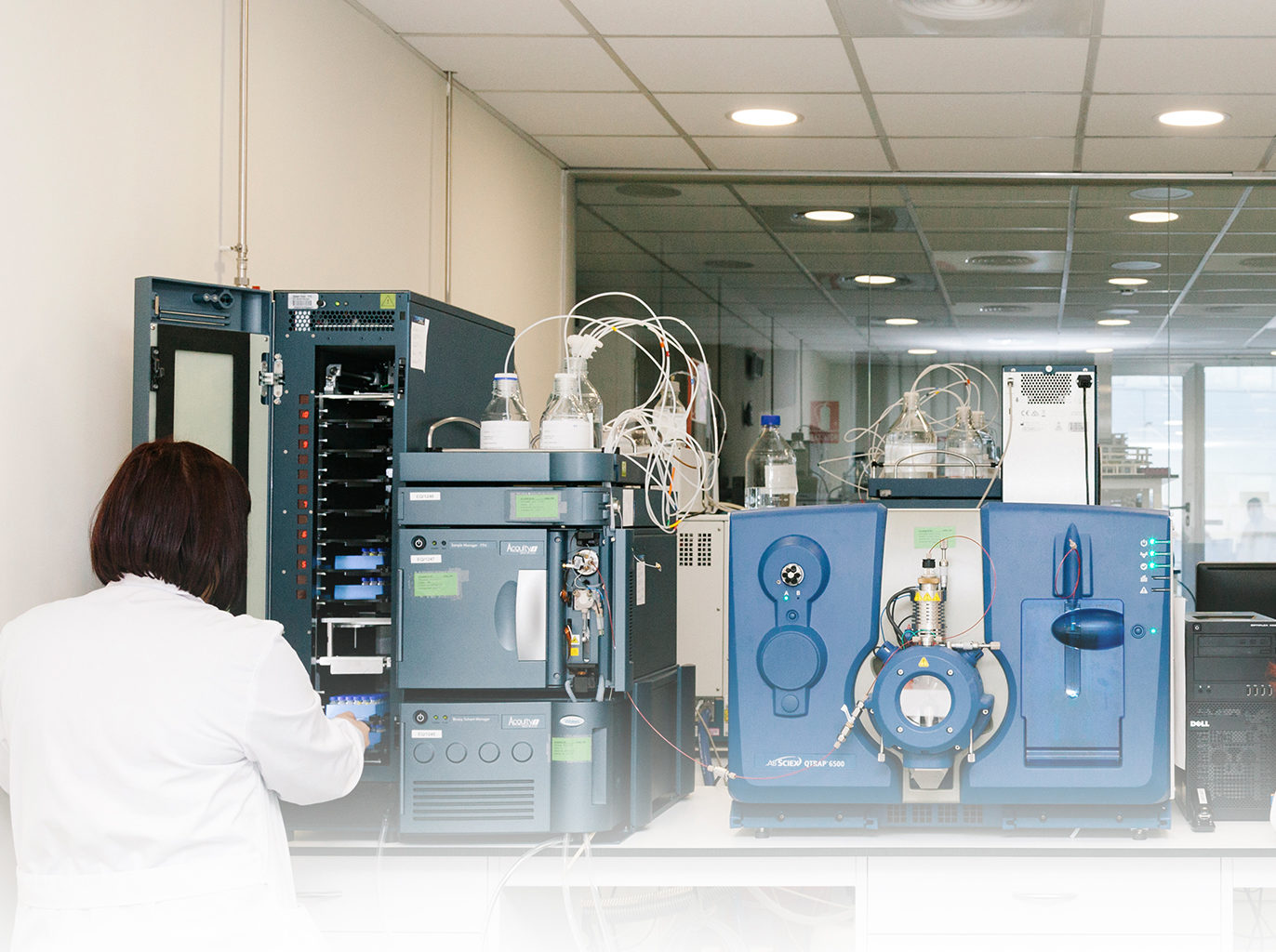
We are glad to announce that a new method has been successfully developed and validated for determination of Glycopyrronium and Indacaterol in human plasma by LC/MS/MS with a calibration range of 1-200 pg/mL and 2-250 pg/mL, respectively.
Since both analytes can be quantified in a single run, it allows for reduced volumes of blood required, a faster turnaround time for sample analysis and significant cost advantages.
The method involves a solid-phase extraction procedure. Glycopyrronium, Indacaterol and internal standards are measured by reversed phase ultra-high performance liquid chromatography coupled to tandem mass spectrometry (UPLC-MS/MS).
The development of this assay adds to the long experience of Anapharm with high sensitivity methods for inhaled drugs including Tiotropium, Fluticasone, Salmeterol and Formoterol.


MORE NEWS
Webinar #1: Navigating Bioanalytical Challenges: from Small Molecules to Complex Peptides
In this 30-minute on-demand webinar, discover practical strategies to troubleshoot common analytical challenges, from small molecules to complex peptides, illustrated with real case studies from our laboratory.
Anti-PEG Antibodies: How Advanced Immunogenicity Testing Overcomes Detection Challenges
Detecting anti-PEG antibodies in clinical immunogenicity testing of PEGylated therapeutics presents unique bioanalytical challenges: from PEG’s repetitive structure causing low signal-to-noise ratios in standard assay formats, to selecting appropriate positive controls and distinguishing anti-drug from anti-PEG antibodies. This blog describes how the bioanalytical team at Anapharm Bioanalytics addressed these challenges during the development and validation of an immunogenicity assay using the Affinity Capture Elution–AGL (ACE-AGL) MSD immunoassay format.
Protein Digestion for LC-MS Bioanalysis: Comparing Standard and Kit-Based Methods
Quantitative bioanalysis of therapeutic proteins via liquid chromatography–mass spectrometry (LC-MS) typically relies on the analysis of surrogate peptides rather than intact proteins. Selecting the right digestion method impacts sensitivity, reproducibility, and cost. This blog compares three approaches tested in-house at Anapharm: standard trypsin digestion, the use of a kit with a thermostable immobilized trypsin, and a kit with ready-to-use reagents.